Architecture
Platform Mesh is a composable platform built on the Kubernetes Resource Model. It provides one mechanism for offering, discovering, ordering, and managing services from different providers.
Component layers
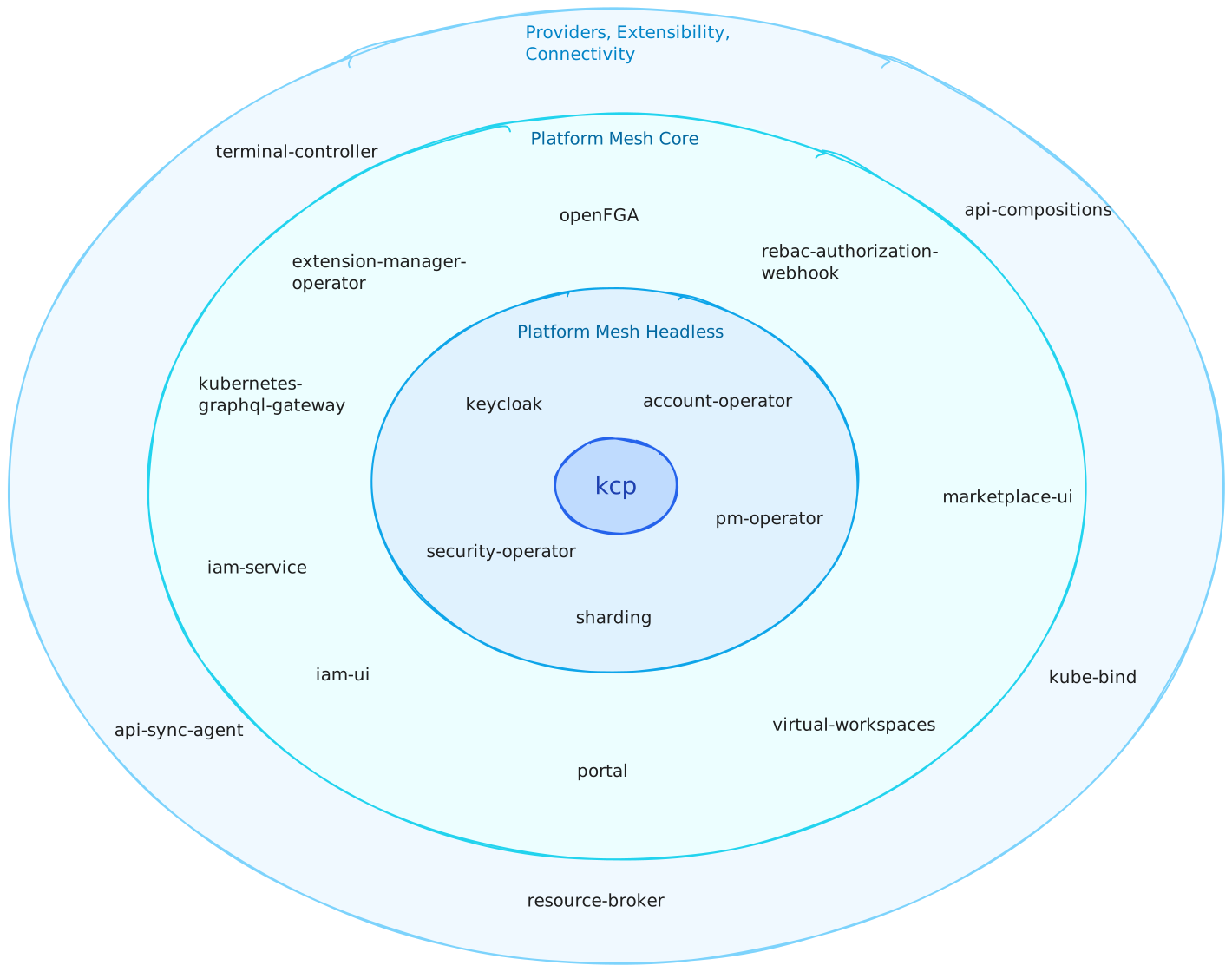
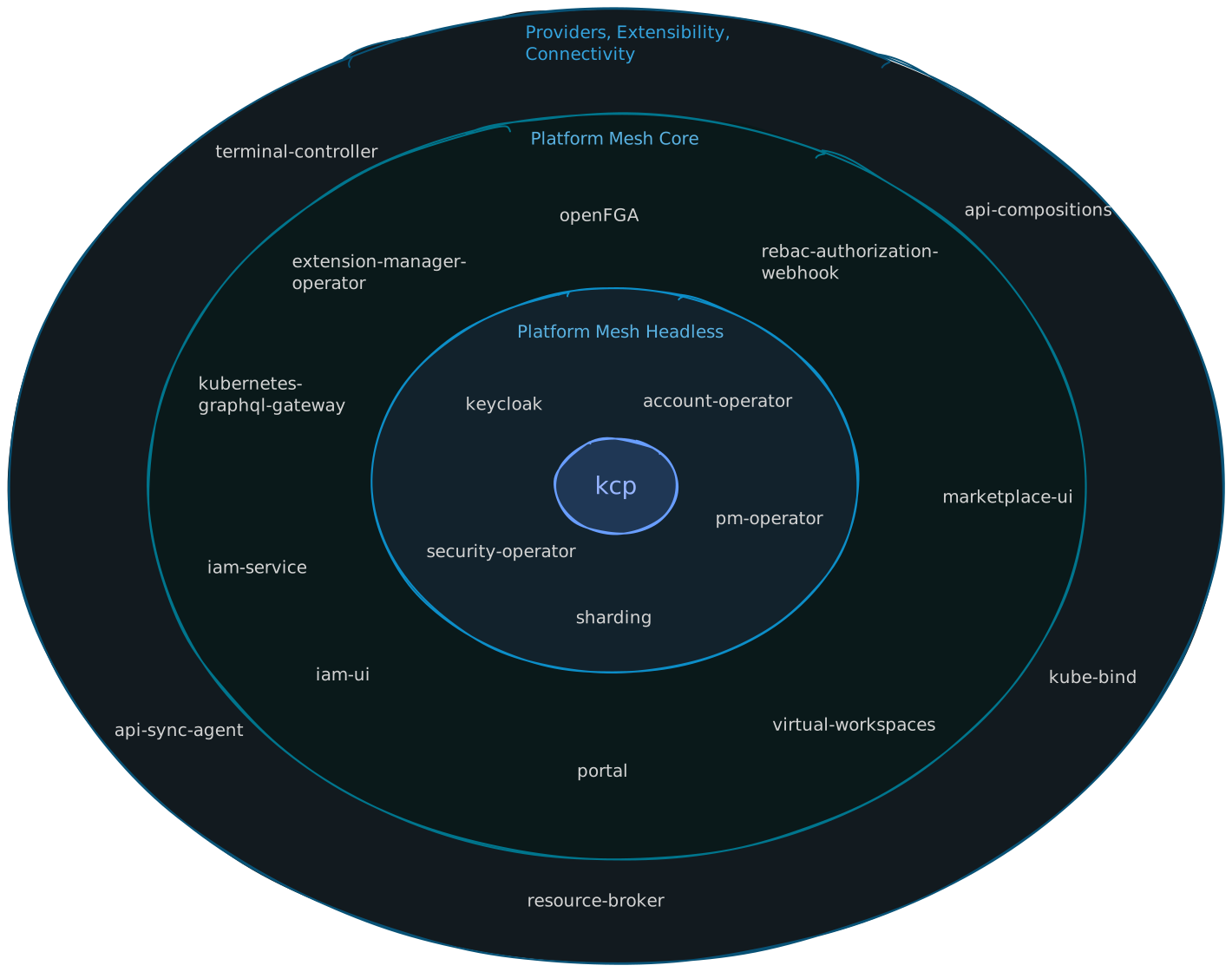
The UI layer includes the Platform Mesh Portal and the Kubernetes GraphQL gateway. The Portal is the consumer-facing experience. The gateway exposes Platform Mesh and kcp resources through GraphQL for UI clients.
The core control plane is kcp. Platform Mesh uses kcp workspaces, APIExports, and APIBindings as its control-plane substrate. The account operator maps Platform Mesh accounts to that workspace hierarchy.
The identity and authorization layer uses Keycloak for OpenID Connect authentication and OpenFGA for relationship-based authorization.
The deployment and supply chain layer uses Flux and OCM to deliver and reconcile platform components.
The connectivity layer connects provider runtimes to the mesh. api-syncagent is the low-effort CRD-based path. multicluster-runtime is the custom-controller path. kube-bind can be used where APIs need to be projected into regular Kubernetes clusters.
Component interaction
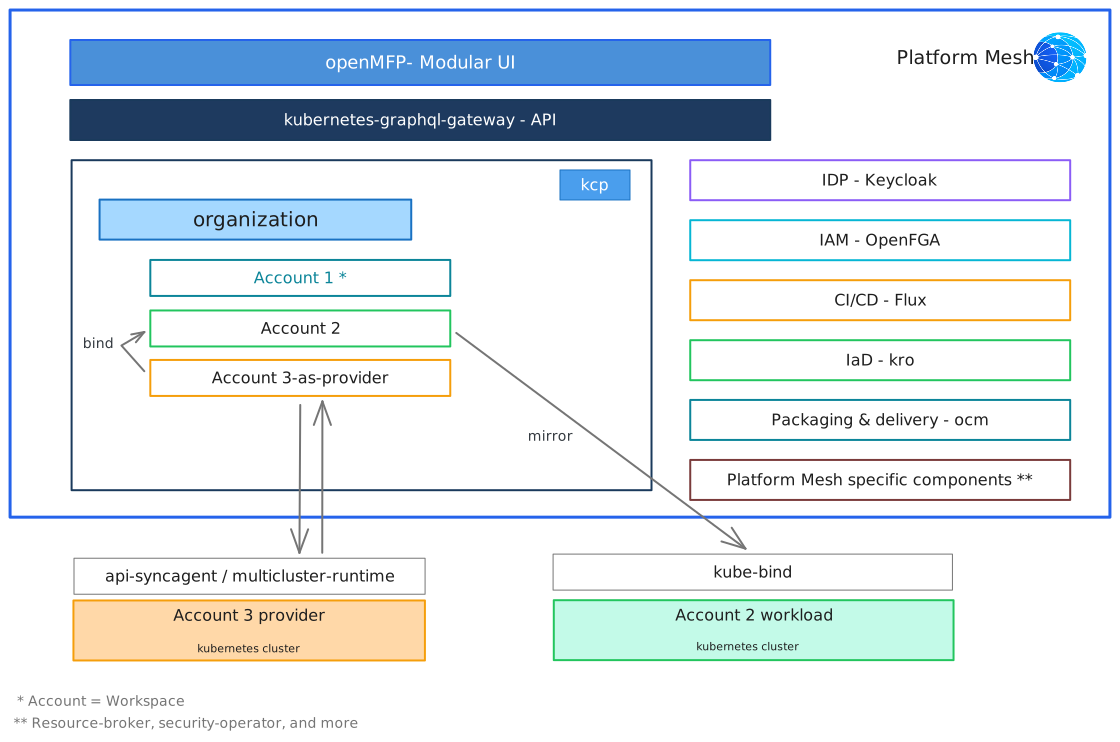
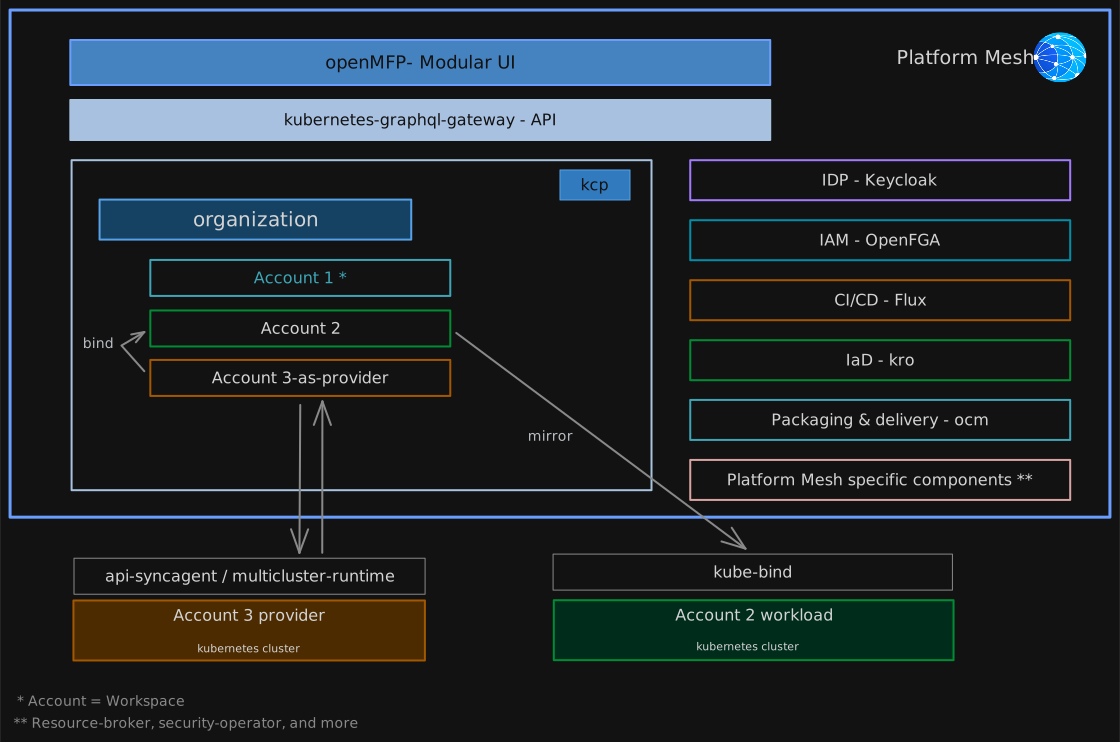
A typical request starts in the portal. The portal calls the Kubernetes GraphQL gateway, which translates the request into Kubernetes Resource Model operations against a kcp workspace. kcp authenticates the request through Keycloak and authorizes it through Kubernetes RBAC and OpenFGA-backed authorization.
When a consumer creates a resource in their workspace, the resource exists in kcp through an APIBinding to a provider APIExport. A provider-side integration mechanism synchronizes the desired state to the provider runtime. The provider operator reconciles the real service and reports status back through the same control-plane path.